
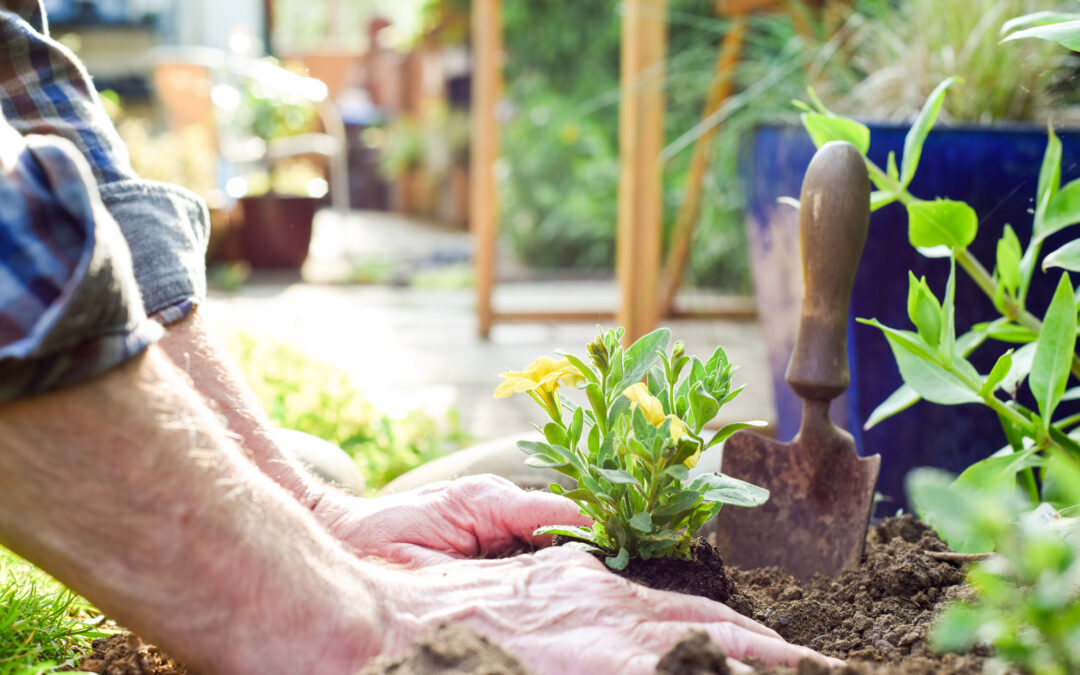
National Gardening Day is celebrated every year on April 14th, making today the perfect day to get those gloves on, pick up a shovel, and start your garden! Gardening as a hobby has several benefits for your physical, mental, and emotional health and can be adapted to different abilities and aging needs.
What to Plant
The first step to starting your garden is deciding what you want to grow. Here are a couple of suggestions for plants that tend to grow well in Connecticut.
- Flowers: Try varieties like the Cardinal Flower, the Great Blue Lobelia, or the New England Aster.
- Vegetables: Start a vegetable garden with staples like lettuce, peas, and tomatoes.
- Fruit: Sweeten your garden with fruits like strawberries and blueberries.
Where to Plant
If you have a large space for planting, consider installing raised beds to make planting and weeding easier. Make sure the path between the beds is wide enough for easy mobility. Using a layer of mulch can also help with garden maintenance, helping regulate the temperature of the soil, prevent weeds, and retain water.
If you have a small space or want just a few plants, pots and vertical gardens are two great options! Keep in mind that having a vertical garden will restrict the kinds of plants that you are able to grow. Potted plants are a great way to turn a back patio or balcony into a garden area.
How to Plant
With the right equipment and planning, aging challenges that prevent seniors from gardening can be overcome.
For those with limited mobility and balance concerns, long-handled tools can reduce the need to bend over. Kneeling pads with attached handles can help with balance while getting up and down. Wearing non-slip shoes and installing handrails can further reduce fall risks. Automatic waterers are a great way to reduce the need to carry water back and forth and cut down on the daily workload.
For those with fatigue, make a garden calendar to break up the work into different days. Start slowly and add more work as you build up stamina. Don’t work during the hottest hours of the day. Instead, work in your garden in the early morning or late evening. Add a garden bench where you can take breaks as you need to and simply spend time enjoying nature.
For more aging and caregiving tips and guidance, reach out to Growing Options today!
Read more articles from Growing Options:
Why is Respite Care Important for Family Caregivers?
Maria’s Recovery from a Brain Aneurysm: Looking to the Future